Garden Junky
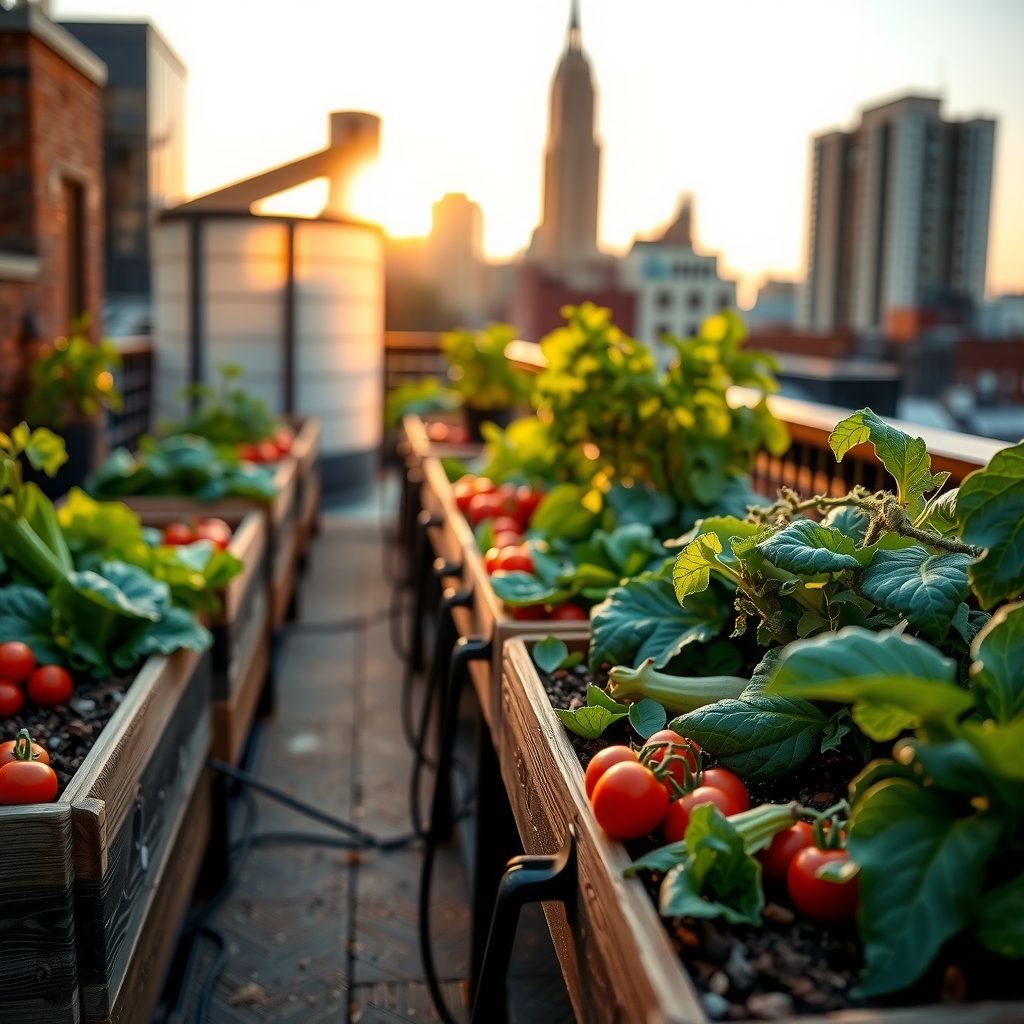
Hero banner showing a lush urban rooftop or balcony vegetable garden
Garden Junky A city plot, a long season, and more tomatoes than anyone should try to manage alone.

The garden is thirty-two square feet of raised beds on a south-facing roof.

ome years the peppers don't come in at all. The roof gets too much wind off the river in late August and the plants just sit there, politely not dying but not doing much else either. This year is different — the 'Corno di Toro' are chest-high and I've already put up six jars of roasted paste and I'm not even sorry about the state of the kitchen.

This site is a record of what I plant, how it actually goes, and what ends up on the table. You won't find grow schedules optimized for every USDA zone here. You'll find what worked in my specific raised beds, in this specific city, in the years I've been keeping notes. If your conditions are close to mine, that might be genuinely useful. If not, maybe it's at least interesting.

"The beds are thirty-two square feet total. The ambition is considerably larger than that." — Read more about the garden
What's Growing Now

Mid-season, in rough order of who's making themselves useful

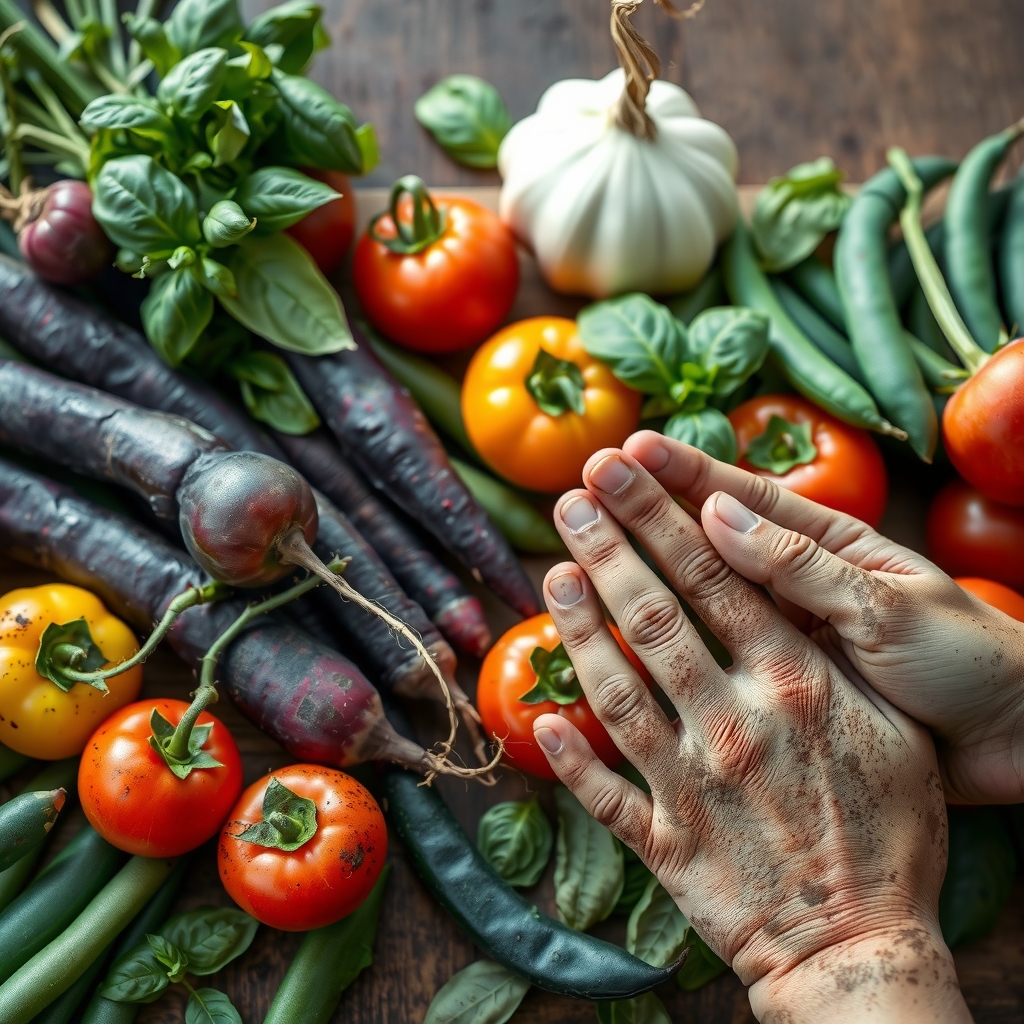
Teaser image for the What I Grow section

Bed Two — south corner — photographed just before the first real harvest

Corno di Toro Rosso

Sweet frying pepper from the Campania coast. I started overwintering one plant two seasons ago and it's become a small gnarled tree that produces prolifically from July through the first frost.

Cherokee Purple tomato

Indeterminate, heavy, takes its time. The flavor — dusky and acidic at once — is worth the wait. Needs real staking or it will simply consume the bed next door.

Perpetual spinach (leaf beet)

Not technically spinach, doesn't care. Keeps going through heat that would bolt a proper spinach flat, and the outer leaves are large enough to use as wraps in a pinch.

Basil 'Genovese' & 'Dark Opal'

Sown together in the same container so I always have both colors for salads. The dark opal variety fixes a kind of problem I didn't know I had.

See the full growing list →

Latest Seasonal Note — Late Summer

The week everything came in at once, and what I did about it

here's a particular kind of August afternoon when the roof smells like a market stall and every container is overflowing and you realize you miscalculated the succession planting by exactly ten days. The cucumbers are at peak, the first Cherokee Purples have finally given up their green, and someone left a courgette under a leaf for three days and now it is, technically, a marrow.

I spent that Tuesday doing what any reasonable person does: I made a very large pot of minestrone, I stuffed the courgette with yesterday's rice and hard cheese and roasted it slowly, and I cut every ripe tomato in half and laid them on trays with olive oil and thyme for a slow oven. By evening the kitchen was a reasonable temperature again and most of the abundance was accounted for.

The real lesson from this season — my fourth on this roof — is that the harvest never arrives in the order the seed packet implies it will. Plan for gluts. Own more jars than you think you need.

Read all seasonal notes →

Featured Recipe

Slow-roasted Cherokee Purple with anchovy and thyme

Ready in 3 hours. Makes roughly one pint of concentrated paste, or enough for four bruschette and a small bowl to eat standing at the counter.

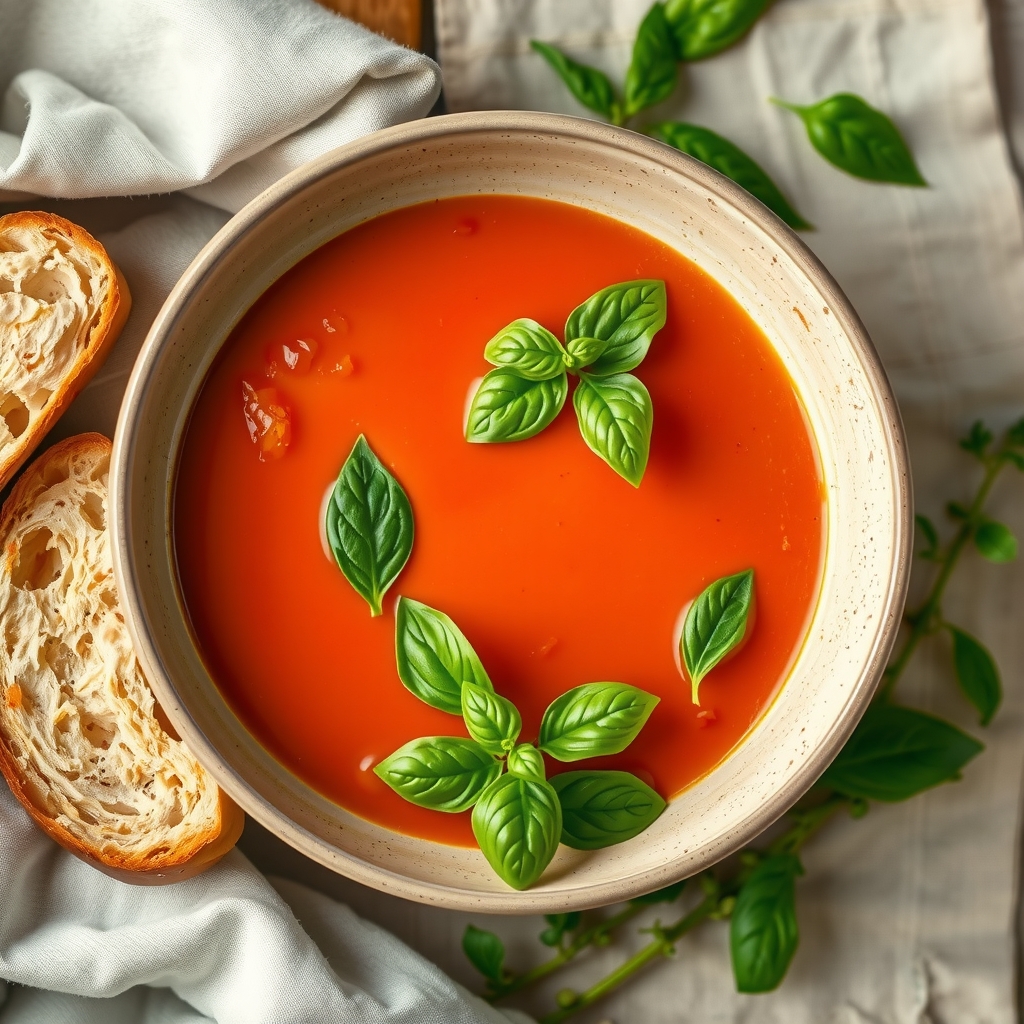
Teaser image for the featured recipe section

What you'll need

  1. 6 Cherokee Purple tomatoes, halved
  2. 4 oil-packed anchovy fillets
  3. 8 sprigs fresh thyme
  4. 4 cloves garlic, unpeeled
  5. Good olive oil, generous
  6. Flaky salt, black pepper
  7. Sourdough, to serve

et the oven to 150°C. Lay the tomato halves cut-side up in a wide baking dish, no crowding. Tuck the anchovy fillets between them — they'll melt entirely into the tomatoes and leave only their depth behind, so don't worry about the taste being sharp.

Scatter the garlic and thyme over the top. Pour over enough olive oil that the cut faces glisten but aren't swimming. Season with flaky salt and a heavy hand of black pepper. Slide into the oven and leave it for at least two and a half hours. The tomatoes should be collapsed, slightly caramelized at their edges, and the juices in the pan should have reduced to something glossy.

Eat on toasted sourdough with the roasted garlic squeezed from its skin over the top. The leftovers, if there are any, go into pasta the next day without modification.

Browse all recipes →

The garden keeps notes. So do I.

Four seasons of what actually worked on a city rooftop — the varieties, the mistakes, the dishes that came from the gluts. Start wherever you like.

Frequently asked questions

What kind of garden does Garden Junky document?
Garden Junky documents a personal rooftop garden consisting of thirty-two square feet of raised beds on a south-facing roof in a city. The site records what the gardener plants, how the growing season actually goes, and what ends up on the table — covering four seasons of notes on varieties, mistakes, and recipes that came from harvest gluts.
Will the growing advice here work for my garden?
The growing information on Garden Junky reflects what worked in one specific set of raised beds, in one specific city. The site does not offer grow schedules optimized for every USDA zone. If your conditions are close to those of the rooftop garden, the notes may be genuinely useful; if not, the author suggests they might at least be interesting to read.
What is 'Corno di Toro Rosso' and how is it grown here?
Corno di Toro Rosso is a sweet frying pepper originally from the Campania coast. On this rooftop garden, one plant has been overwintered for two seasons and has grown into a small, gnarled tree that produces prolifically from July through the first frost. In a good year it can reach chest height and yield enough fruit to make multiple jars of roasted paste.
How does the site handle the Cherokee Purple tomato?
Cherokee Purple is described as an indeterminate, heavy tomato that takes its time to ripen, with a flavor that is dusky and acidic at once. Garden Junky notes it needs real staking, or it will spread into neighbouring beds. The variety also features in the site's recipe for slow-roasted Cherokee Purple with anchovy and thyme.
What is the featured recipe and roughly how long does it take?
The featured recipe is Slow-Roasted Cherokee Purple with Anchovy and Thyme. It uses six halved Cherokee Purple tomatoes, oil-packed anchovies, fresh thyme, unpeeled garlic, olive oil, and flaky salt, roasted at 150°C for at least two and a half hours. The recipe makes roughly one pint of concentrated paste, or enough topping for four bruschette, and takes about three hours in total.
What is the gardener's main practical advice about managing a summer harvest glut?
Based on four seasons on the rooftop, Garden Junky's core advice is to plan for gluts and own more jars than you think you need, because the harvest never arrives in the order the seed packet implies. Practical responses to a sudden abundance shown on the site include making large batches of minestrone, slow-roasting tomatoes, and stuffing oversized courgettes to use up produce quickly.

Upgrade this site

Describe what you want — Pillar will plan, build, and deploy it. Learn More