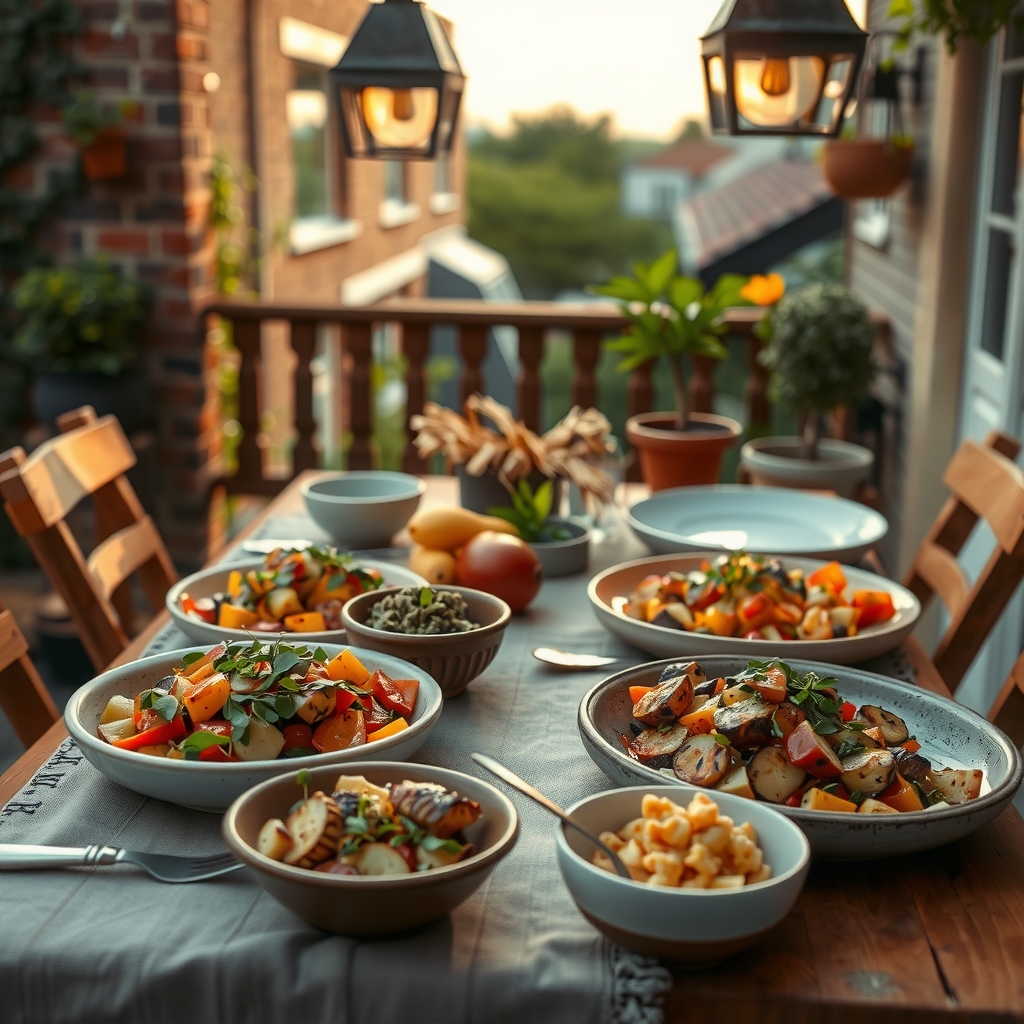
These recipes don't come from cookbooks. They come from August afternoons when the Brandywines finally split and you have to do something with them fast. From late June when the basil is four inches tall and threatening to bolt if you don't pick it. From October mornings when there's still a handful of cherry tomatoes and a bunch of flat-leaf parsley that won't survive the next frost.
I started writing them down because I kept forgetting what I'd done the year before — which olive oil ratio made that pesto silky, how long the soup actually needed to simmer before it tasted like anything. These are the versions I've landed on. They're meant to be adjusted, not followed to the letter.
Most of the produce here comes from my own raised beds and containers — you can read more about what I'm growing this season on the What I Grow page, and the Seasonal Notes page tracks when things were ready. The recipes live here because they belong to the garden, not the other way around.
The Recipes
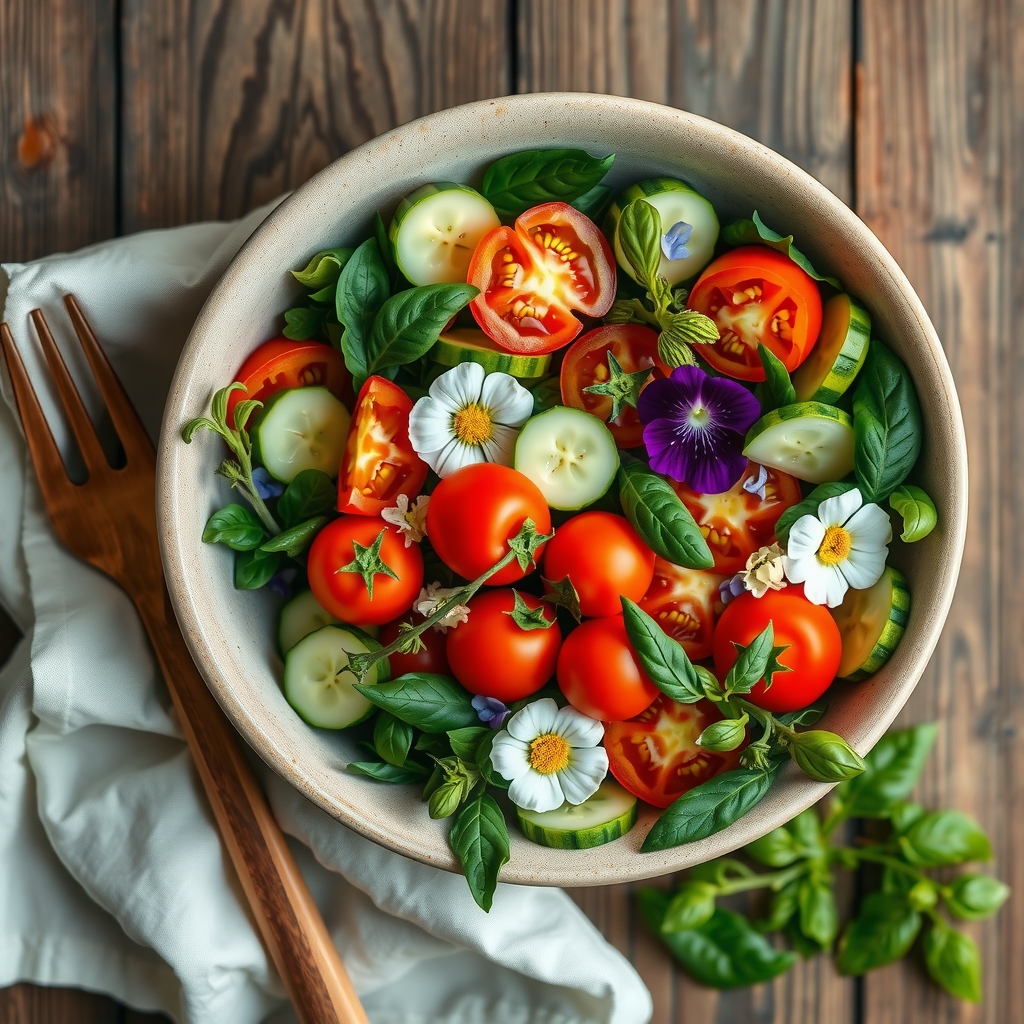
Shaved Cucumber & Tomato with Torn Herbs
This is the salad I make in early August when the cucumbers are producing faster than I can use them and every tomato on the vine suddenly ripens on the same day. It takes ten minutes and is better than anything more complicated.
- 3 cucumbers, Marketmore or Spacemaster shaved thin on a mandoline
- 4 ripe tomatoes, Brandywine or Cherokee Purple torn, not sliced
- Handful flat-leaf parsley, from the container bed
- Handful basil, Genovese do not chop — bruise and tear
- Good olive oil, flaky salt, one lemon
- Optional: thinly sliced shallot, soaked in cold water first
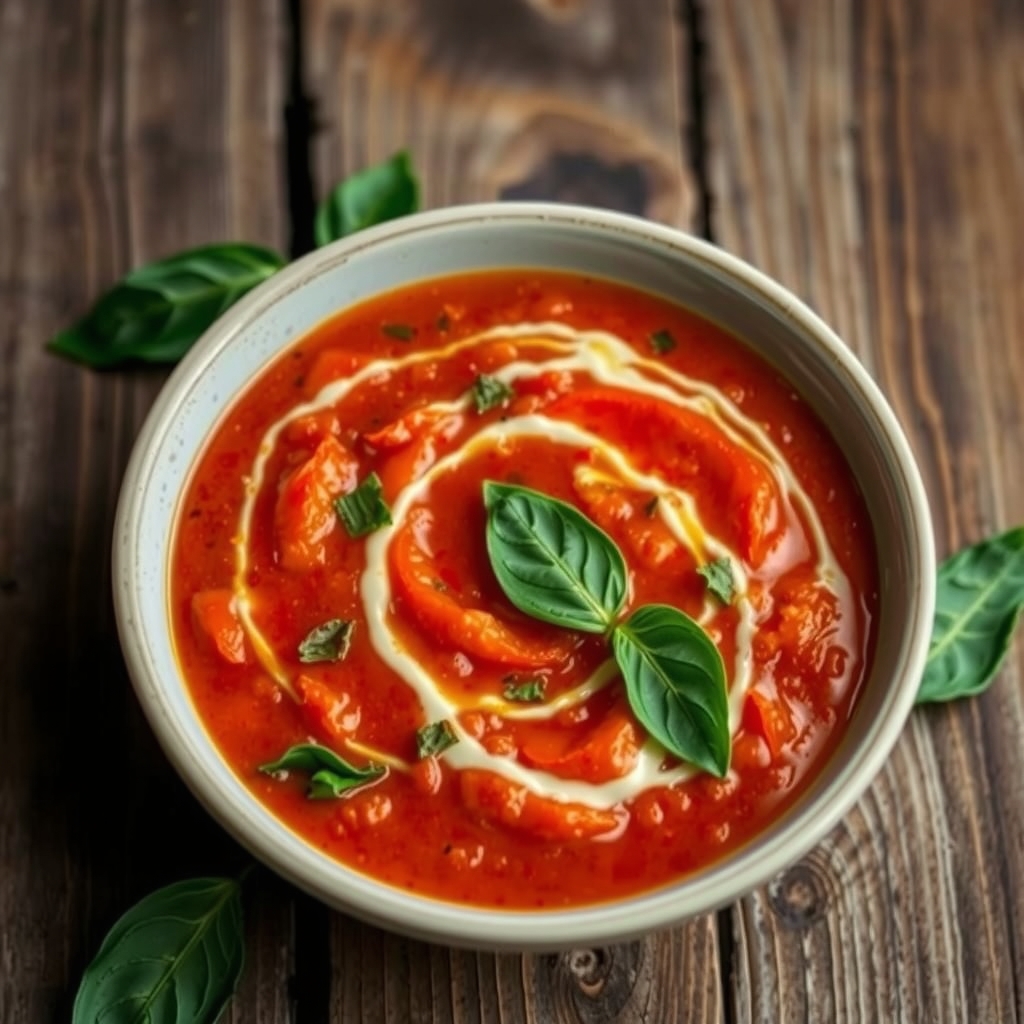
Late-Summer Tomato Soup with Roasted Garlic
Made when the sauce tomatoes are piling up faster than I can freeze them. San Marzano from seed, grown in the big 15-gallon fabric pot on the south wall. The garlic is from last year's harvest — three heads, roasted whole at 375° until it collapses into butter.
- 2 lbs San Marzano tomatoes halved, roasted 35 min with oil and salt
- 3 heads garlic, roasted whole
- 1 medium onion, softened in butter
- 4 cups vegetable or chicken stock
- Fresh thyme, 4–5 sprigs tied with twine, removed before blending
- Heavy cream, a generous pour at the end
- Crushed red pepper, just a little
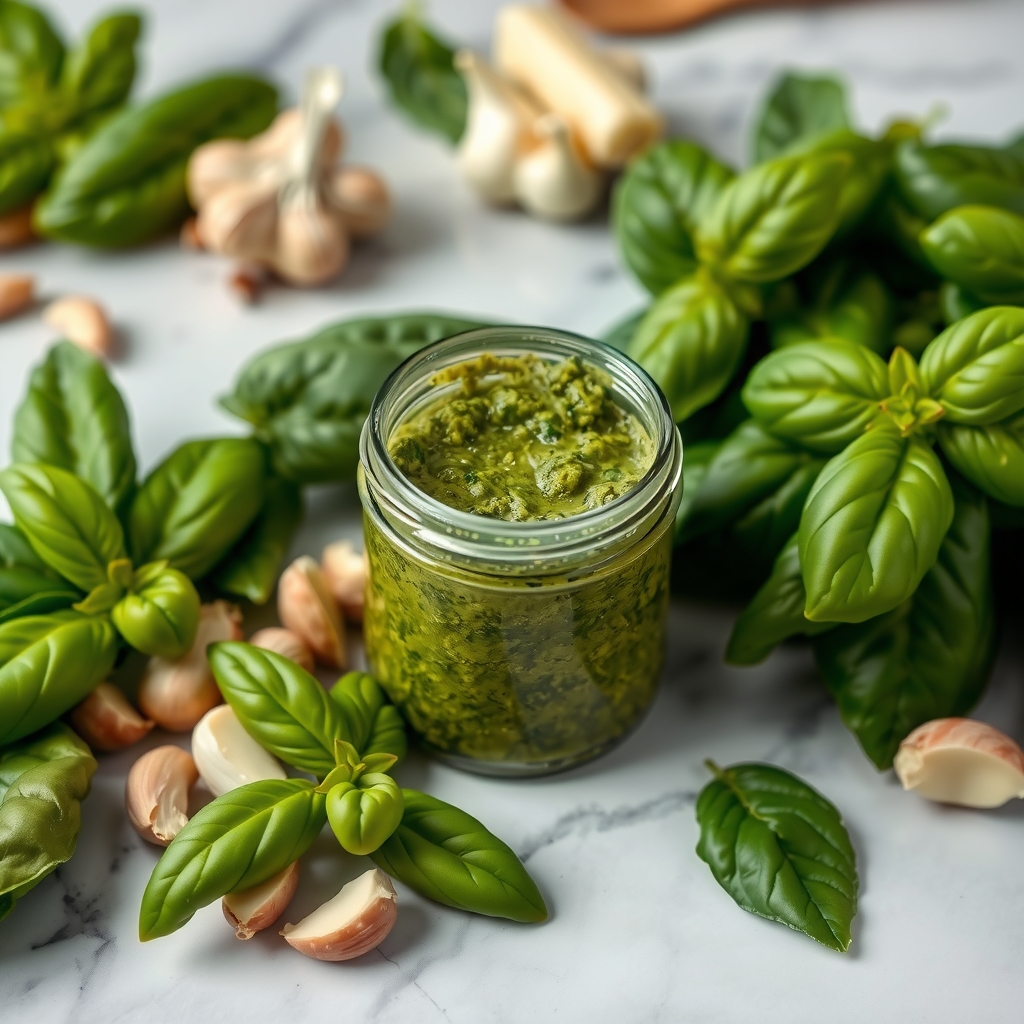
Genovese Basil Pesto, Made in Batches
I start picking for pesto when the plants hit eight inches tall — before the leaves toughen up. I make it in large batches in June and freeze it in ice cube trays. By February, a cube dropped into pasta water feels like a small act of time travel.
- 4 packed cups Genovese basil leaves no stems, washed and very dry
- ½ cup pine nuts, toasted lightly
- 2 cloves garlic, raw or 3 if they're small from the garden
- ¾ cup Parmigiano-Reggiano, finely grated
- ½ cup good olive oil, added slowly
- Salt, adjusted at the end — the cheese salts it already
Garden-to-Table, Actually
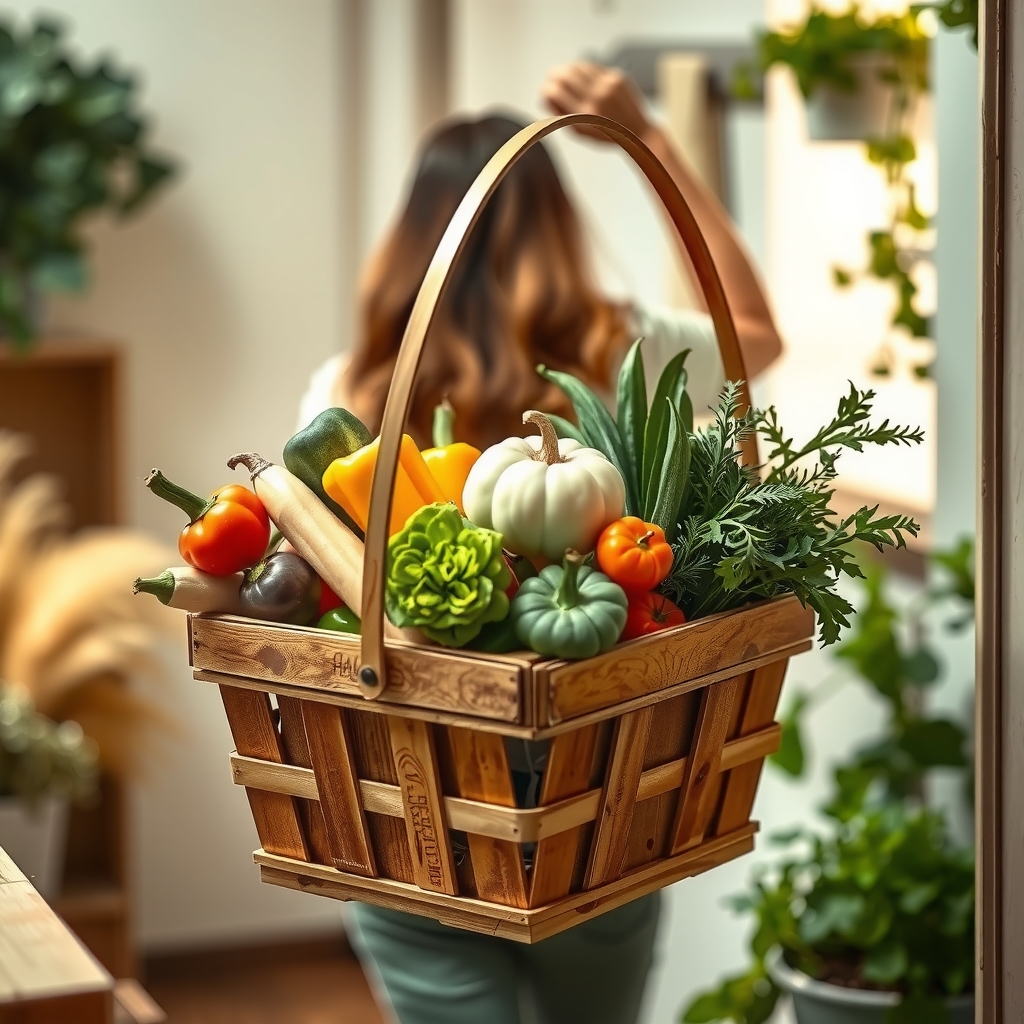
The phrase gets used loosely. I've seen it on menus where the nearest garden is a photograph on the wall. What I mean when I use it is more literal and more modest: I grew this specific thing in this specific soil, it came in on a Tuesday, and I figured out what to do with it.
"The garden doesn't give you ingredients. It gives you occasions."
That's the actual constraint — and the actual pleasure. You don't decide to make tomato soup because you found a recipe for it. You make tomato soup because the tomatoes said it was time and you happened to have garlic and thyme and an afternoon with nowhere to be.
I started growing food in containers on a second-floor balcony in 2014. The About page has more of that history. What matters for the recipes is this: I had to learn how to cook around scarcity and surplus at the same time. A small-space garden doesn't give you an even supply. It gives you nothing for weeks, then everything at once.
These recipes are built for that rhythm. They scale up when the harvest is absurd and hold their own when you've only got a handful of something. Check the Seasonal Notes for what's producing right now, and the What I Grow page if you're curious about specific varieties.