 gardenjunky.com / seasons
Notes kept outside, in all weathers, over too many years to count neatly.
Seasonal Journal · Updated as things happen
Seasonal
Notes
This page is a working log, not a polished guide. I write it to remember what actually happened — when the Sungold first blushed, which frost caught me flat-footed, why I'll never again trust the long-range forecast in mid-October. Read it the way you'd read someone else's dog-eared garden diary: with appropriate skepticism about whether their conditions match yours, and honest curiosity about the years when everything went sideways.
March — May
Spring Notes
Everything starts too early and I never learn. By the second week of March I have trays of Principe Borghese tomatoes germinating on the boiler cupboard shelf, which is exactly the same thing I did the year before and the year before that, knowing full well the last frost here doesn't reliably clear until late April. They get leggy. I pot them on twice. By the time it's warm enough to harden them off, they're enormous and slightly resentful of the outdoors.
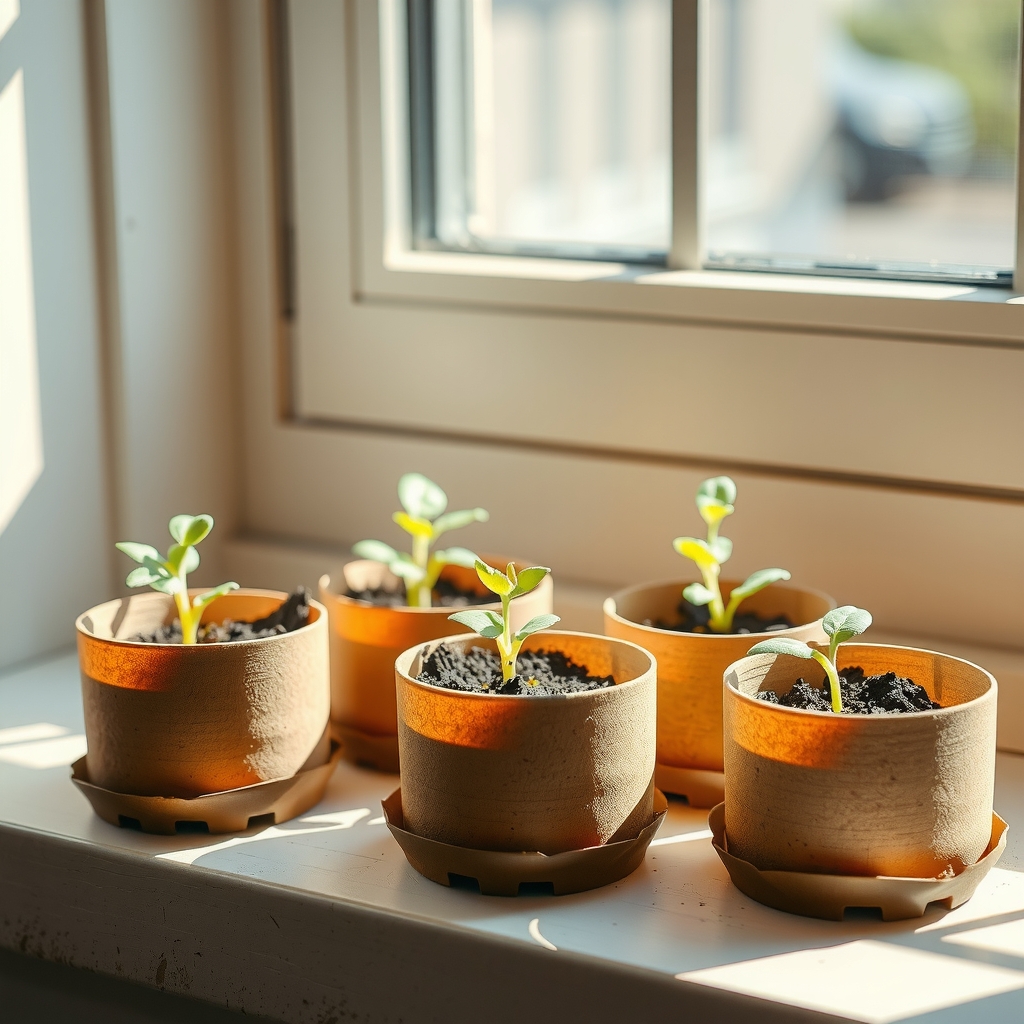
Early March. The Ailsa Craig onion sets went in first — they don't care about cold.
What does work: direct-sowing broad beans in February under a cloche, then pulling the cloche off in late March to let rain in. Aquadulce Claudia is the variety I keep coming back to — tough, early, and the pods fatten up before the blackfly arrives in numbers. Last spring I lost the lot to a late cold snap after pulling the cloche too soon. So the year before that was better. The year before that, magnificent. Gardening is like this.
The spring planting sequence I actually stick to: onion sets first (mid-March), then peas along the north fence (end of March, soaked overnight), then lettuce seedlings pricked out into the bed where garlic overwintered — the garlic having been lifted and dried indoors. By late April, courgette seeds go into individual 9cm pots on the windowsill. I don't start them earlier than that. I tried. The courgettes were not impressed.
See the What I Grow page for the full list of varieties and how they've performed year on year.
June — August
Summer Notes
There's a particular moment in mid-July when the garden tips from manageable into something that requires daily decisions. The Sungold cherry tomatoes are flowering on three trusses at once. The courgettes, which you checked yesterday and found finger-length, have become clubs overnight. The climbing French beans are reaching the top of the canes and have nowhere left to go. Everything wants something.
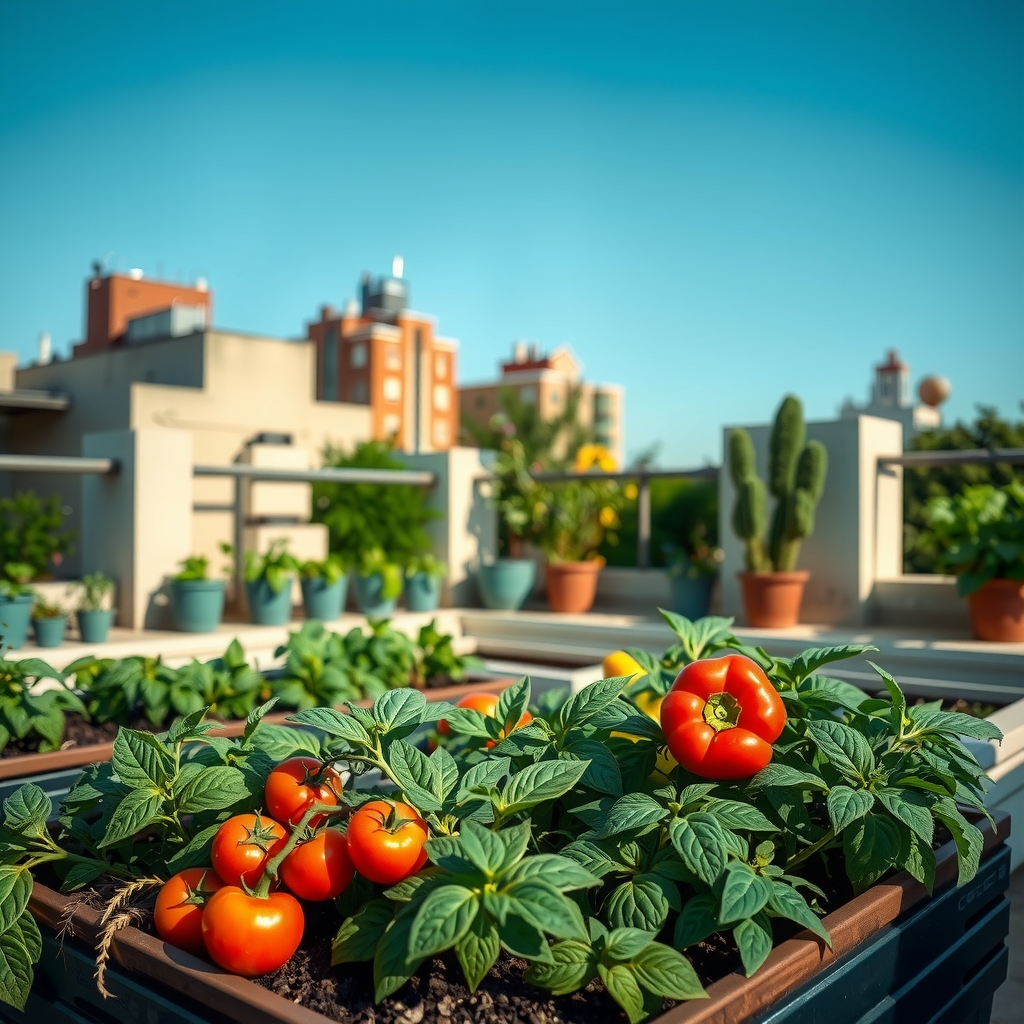
The beans hit the top of the canes around the 18th of July. I added another foot of bamboo with twine. They kept going.
The tomatoes I grow in large containers — 50-litre fabric pots filled with a mix of my own compost and perlite. This forces me to water consistently, which is the discipline I apparently need. I feed with liquid seaweed once a week from first flower set, then switch to a high-potash feed once I can see the first tiny fruit forming. I've tried all sorts of proprietary tomato feeds; the cheapest ones work as well as the expensive ones if you're consistent about timing.
What I've stopped doing in summer: over-pinching the basil (it just bolts faster), watering the courgettes from above (powdery mildew is your reward), and pulling spent bean pods off the plant daily. Every other day is enough, and it keeps the plant producing for longer. Small adjustments, saved up over years. If there's a harvest glut on your hands, the recipes page is where I record what I did with it all.
September — November
Autumn Notes
September is the month I like best, and also the most unforgiving. The days are still warm enough to ripen the last of the tomatoes on the vine if you're lucky about the weather, but you can feel the light thinning. There's a quality to it — low, amber, arriving at a different angle than it did in July — that tells you the window is closing. I've learned to take it seriously. Green tomatoes left on the plant past the first cold week in October don't ripen; they rot.
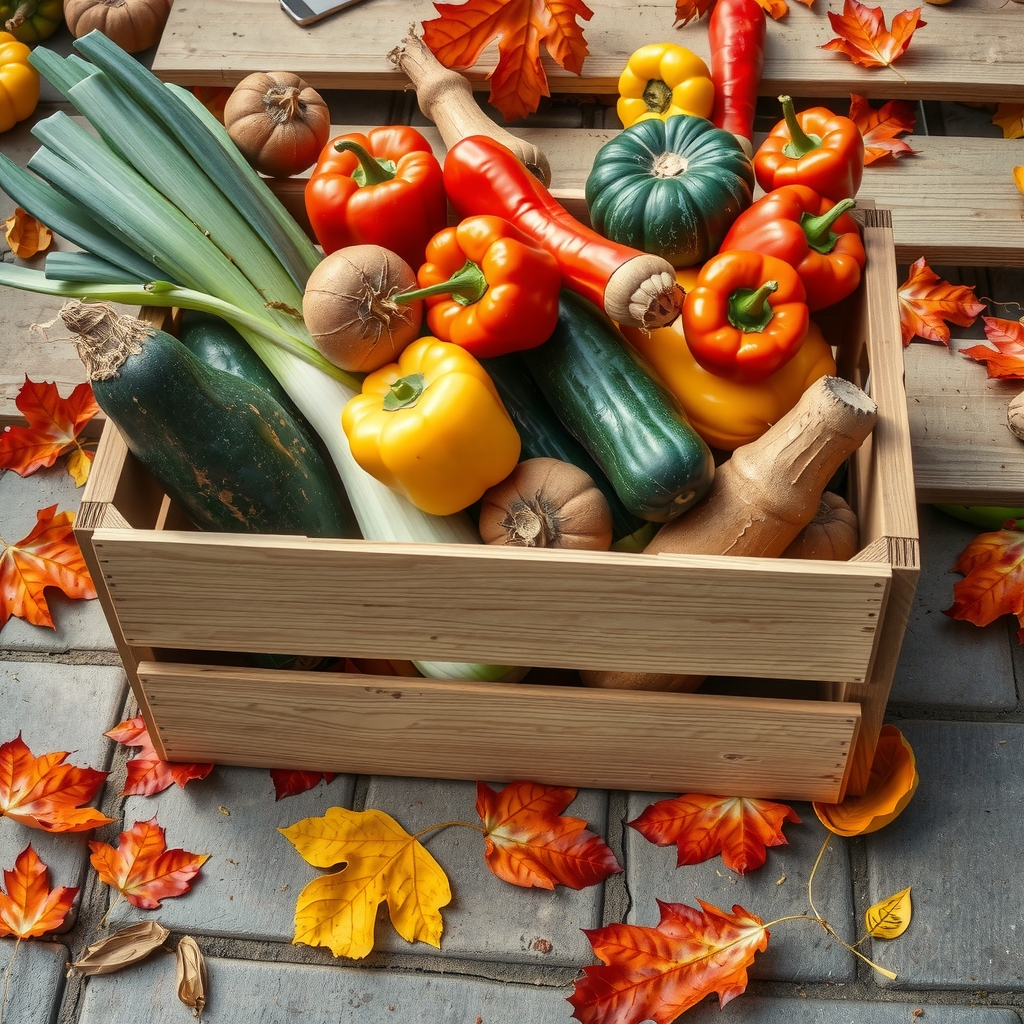
Mid-September harvest. The Uchiki Kuri squash came in at nearly four pounds this year — best result so far.
What I harvest in September and how I handle it: winter squash cured on the garden wall in any dry spell before bringing inside; dried beans left on the plant until the pods crackle, then pulled whole and spread on newspaper in the shed; garlic for the following year — new stock bought now, planted in October into deeply-dug beds with added grit. The beds where tomatoes grew get turned over immediately after clearing, compost worked in, and left rough-surfaced to let frost break up the clumps.
I also plant out autumn-sown overwintering onions in late September. Radar is the variety I've used for three years running. They go in 10cm apart, take without fuss, and are the first useful thing out of the ground in spring. Starting to think about what's coming next year keeps the end of the season from feeling like just loss.
December — February
Winter Planning
The garden in January looks exactly like it did in December, which looked like failure. But something is happening. The soil is being worked by frost and worm in alternation. The overwintering onions are putting roots down. The garlic has germinated, showing a few pale spears above the mulch. In the shed, the winter squash is still sound, cured hard and sitting on a wooden board off the cold floor. And I'm at the table with last year's notes, which is how the next year starts.
Winter is when I order seeds — and when I stop myself from ordering too many. I have a rule now: nothing goes on the order unless I have a specific place for it in the rotation. The rotation is the discipline. You can read more about the whole setup and what I've settled on growing across the full year on the about page.
Soil Work
Compost heap turned in November. Top-dressed the main bed with two inches of homemade compost in December. No digging beyond that — the worms handle the rest if you let them.
Seed Orders
January. Real Seeds and Brown Envelope for open-pollinated varieties I save from. F1 hybrids — specifically Sungold — come from Suttons because I've not found better. Order before February; stock runs down fast.
Rotation Plan
Brassicas follow alliums. Tomatoes (in pots, so rotation is moot) stay on the south wall. Squash moves to where beans were. Beans fix nitrogen wherever I need it most. Write it down before you forget.
Infrastructure
February is for mending — a new cane support structure for the beans, replacing the timber edging that rotted, building another compost bay from reclaimed pallets. Dirty work in cold weather, worth doing before the season starts.
What to Drop
Celeriac again — three strikes. Outdoor aubergines unless I acquire a cold frame with south-facing glass. Ornamental kale, which serves no practical purpose and harbours cabbage white caterpillars.
What to Try
Scorzonera — I keep putting it off. Oca, if I can find tubers. A proper trial of three different climbing bean varieties side-by-side, because I still don't know if Cobra is truly better than Blue Lake or if I'm just used to it.