Garden Junky
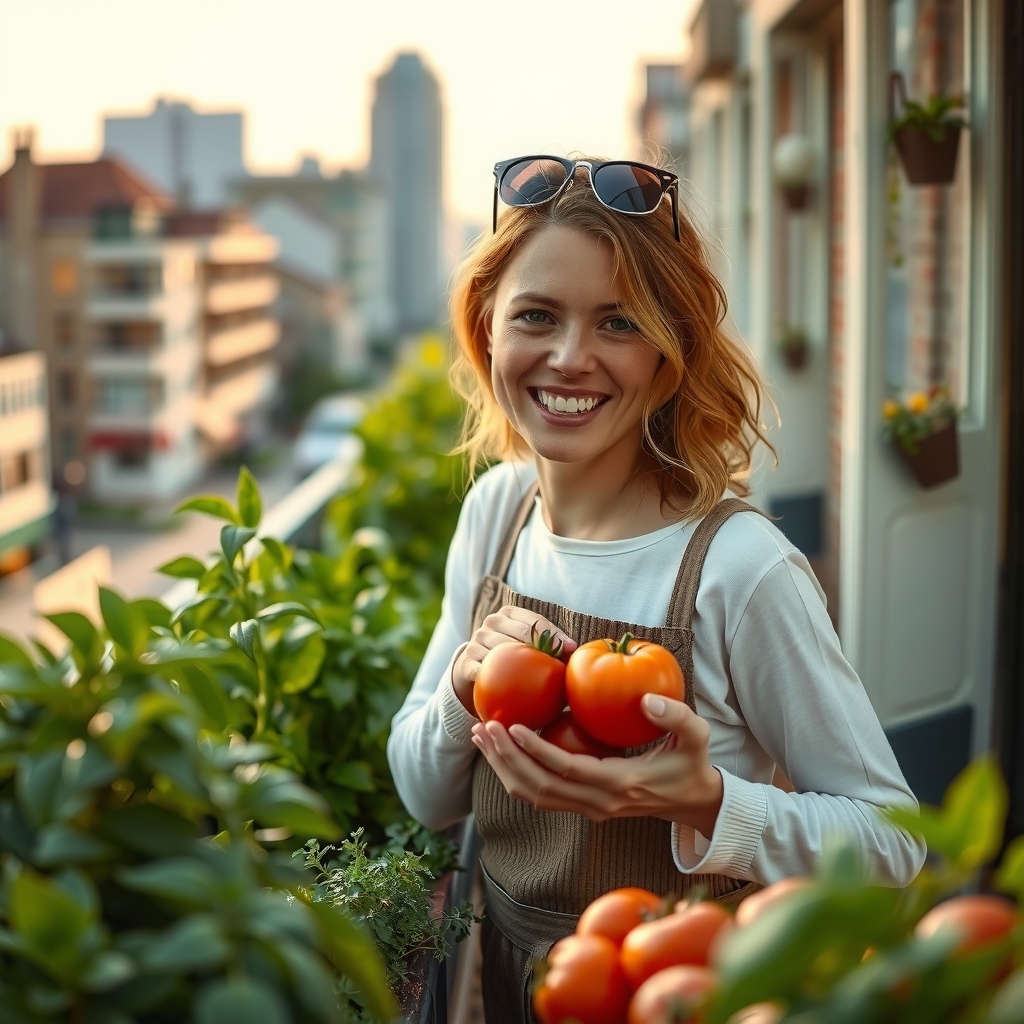
Personal portrait-style image of the gardener in the garden

Twelve beds, one borrowed fence, and a compost heap that started all of this.

My Story

It started with a half-dead basil plant on a fire escape in late August, during a summer I barely remember surviving. I'd bought it at the corner deli for $2.49, stuck it in a cracked terracotta pot I found behind the building, and forgot to water it for eleven days. When it came back — and it did come back — something shifted in the way I understood what a city could hold.

That was twelve years ago. The fire escape became a windowsill. The windowsill became a community plot on the north side of Willowfield Street, Plot 7B, three feet of good loam sitting over compacted rubble and a century of someone else's mistakes. I started keeping notes that first season — not because I meant to build anything, just because I kept forgetting whether I'd watered and whether I'd already thinned the 'Cylindra' beets.

Those notes became this site. Not a project, not a brand — just a record of what happened when I put seeds in the ground and paid close attention. I grow sixty-odd varieties in a space most people would use for a parking spot, and every season I'm still surprised by something.

Garden Junky is the name I gave my plot before I gave it to anything else. It stuck. It's also the most accurate description of what I am: obsessive, cheerfully soil-stained, and entirely unable to stop starting new beds.
Why Urban Gardening

People ask me why I bother when the farmers market is three blocks away. It's a fair question. The answer isn't efficiency — it's never been about efficiency. There's a particular kind of knowledge you only get from watching a 'Cherokee Purple' split on the vine in a July heat wave and deciding next year you'll stake earlier. You can't buy that knowledge. You have to earn it in the dirt.

Urban growing is also a small act of insistence. Cities are built on the premise that food comes from somewhere else, and there's something quietly radical about refusing that entirely. My plot grows roughly forty percent of the vegetables I eat between May and November. The rest comes from neighbors and trades — Miriam two plots over has access to the best dry-farmed tomatoes I've ever tasted and she has no idea what to do with them, so we work it out.

The community plot taught me that growing food is a social act whether you mean it to be or not. You can't have six feet of dill go to flower without someone stopping to ask about it. The conversations I've had standing over my beds have been some of the best of my life.

If you're reading this with a small outdoor space — or no outdoor space at all — I'd point you toward what I grow first. Container gardening has genuinely changed what I think is possible in a tight footprint, and I've been making the case for it since that first basil plant.

The Garden Setup

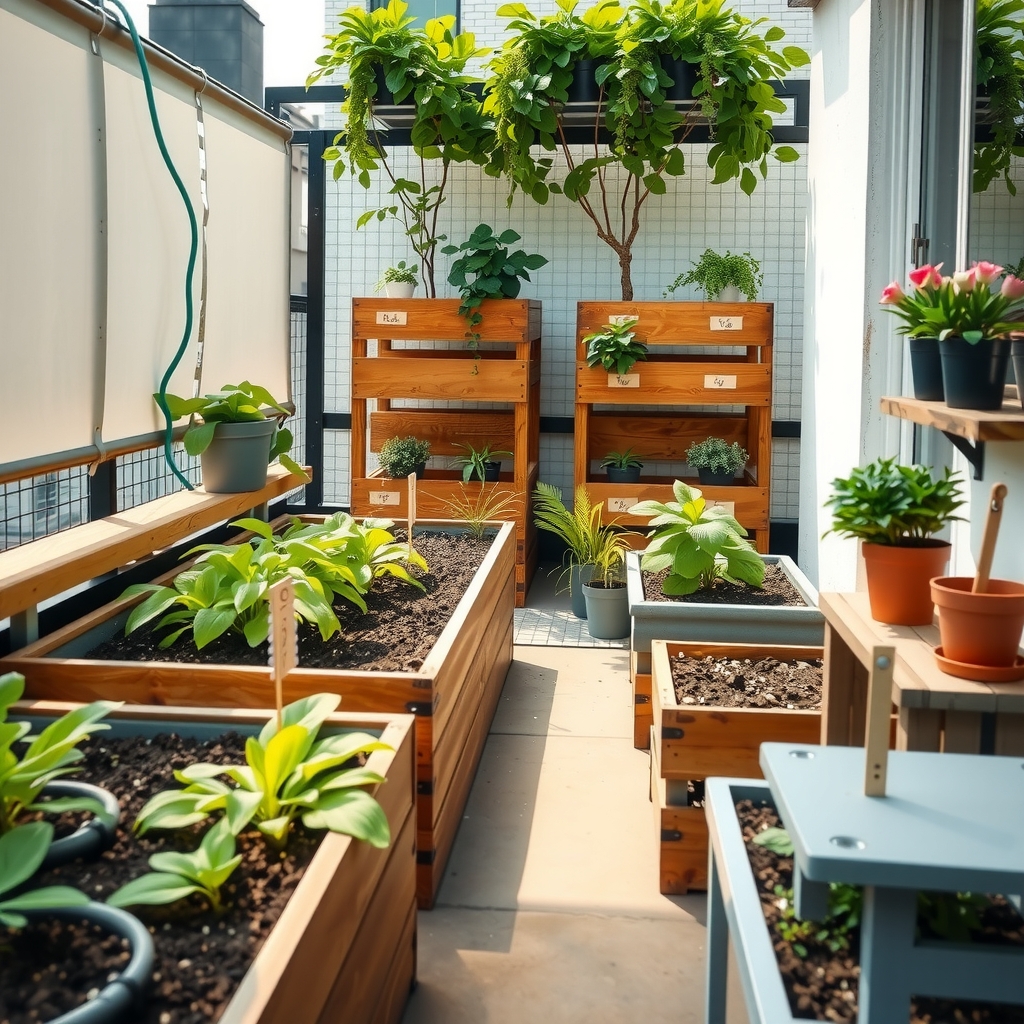
Showing the actual garden setup and space

Plot 7B in late July — the peak of the season, when everything is exactly two days from needing to be harvested at once.

The setup is nothing fancy. It has evolved the way all honest things evolve — by breaking, getting fixed, and being replaced with something slightly better the second or third time around.

I document the whole year in Seasonal Notes if you want the unedited version — including the years when the cucumbers failed and I couldn't figure out why until October.

What I'm Working With

  • LocationCommunity plot, urban row garden, Zone 6b
  • Plot sizeRoughly 200 square feet across four raised beds
  • SoilLoam over rubble — built up with compost, leaf mold, and stubbornness over twelve years
  • WaterRainwater collection, supplemented by plot tap in dry spells
  • ContainersAnother 40 sq ft on the back terrace — mostly herbs, cut flowers, and experiments
  • SeasonLate April through first hard frost, usually mid-November
  • Varieties this year62 — full list on What I Grow

Frequently asked questions

Who is behind Garden Junky and how did the site start?
Garden Junky is run by one person who began urban gardening twelve years ago with a half-dead basil plant bought for $2.49 at a corner deli. Notes kept during the first season at community plot 7B on Willowfield Street — mainly to track watering and thinning — eventually grew into the site. Garden Junky describes both the plot name and the grower's own self-description.
How much growing space does Garden Junky work with?
Garden Junky covers roughly 200 square feet across four raised beds at community plot 7B, plus an additional 40 square feet of containers on a back terrace used mainly for herbs, cut flowers, and experiments. The total growing season runs from late April through the first hard frost, typically around mid-November.
How many vegetable varieties are grown at Garden Junky?
Garden Junky grows approximately 62 varieties in a given season — a full list is available on the What I Grow page. The gardener notes that around 60-odd varieties are grown in a space most people would use for a parking spot, and something new still surprises each season.
How much of the gardener's food actually comes from the plot?
Garden Junky's plot 7B supplies roughly forty percent of the vegetables the gardener eats between May and November. The remainder comes from neighbors and trades, including an arrangement with a neighbor named Miriam who grows dry-farmed tomatoes.
How was the soil at plot 7B improved over time?
The soil at plot 7B sits over compacted rubble and took twelve years of work to reach its current quality. The gardener built it up by adding leaf mold every November for six years, combined with compost and consistent effort, and cautions that shortcuts do not work on clay soil.

Upgrade this site

Describe what you want — Pillar will plan, build, and deploy it. Learn More