Garden Junky
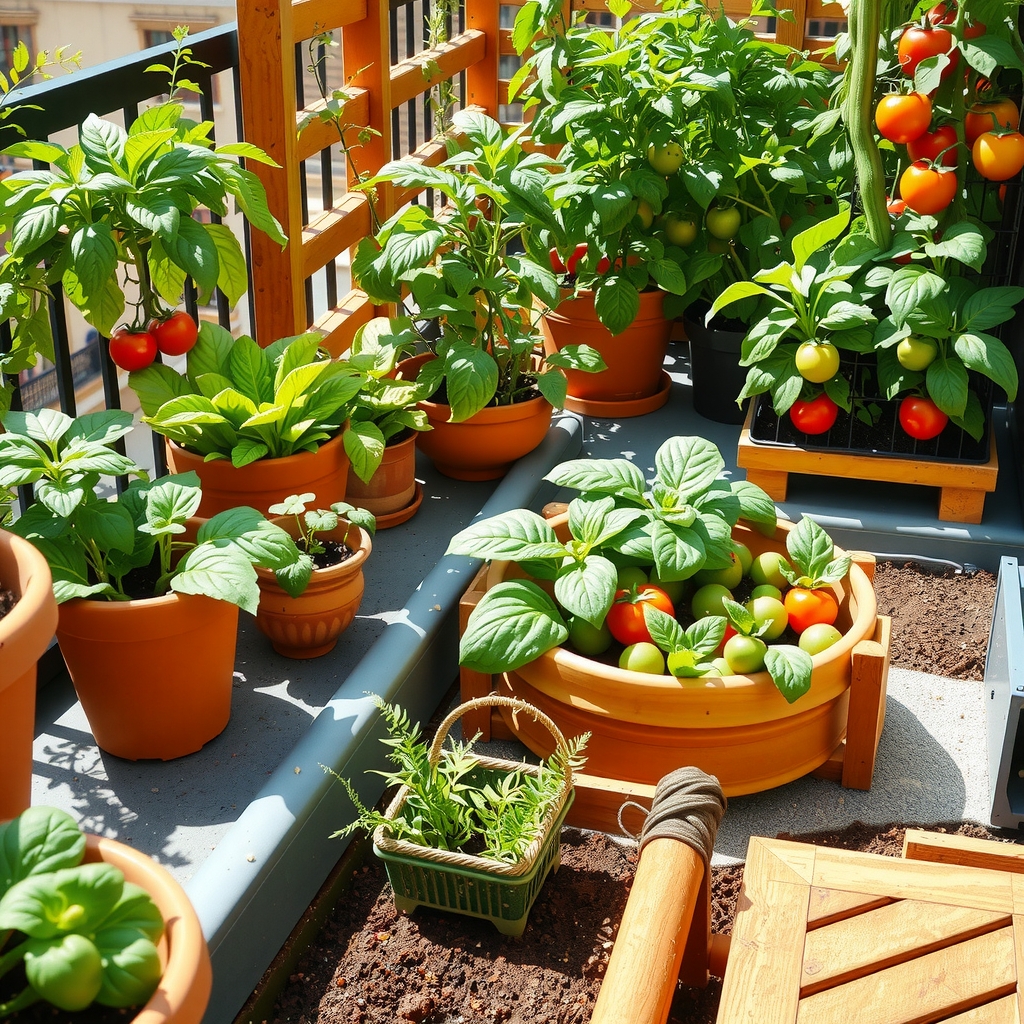
Hero showing diverse vegetable plants in containers

A balcony in the city, a handful of pots,
and about thirty varieties that keep me honest.

Everything I'm growing right now


The list changes every spring. I write down what survived the previous autumn, what I ate most, what I gave away in brown paper bags to the downstairs neighbours — and that becomes the plan. No spreadsheet. Just memory and a few pencil marks on the back of a seed packet.

Some of these have been in rotation since I first dragged a grow-bag onto this balcony in late April seven years ago. Others arrived because I couldn't find a particular variety in any of the shops and ordered seeds in a fit of stubbornness. A few are here because someone at the community plot pressed a cutting into my hand and said trust me.

The notes below are exactly that — notes. Not instructions. Read the Seasonal Notes if you want the month-by-month story, or the Recipes section if you're wondering what to do with three pounds of cherry tomatoes all ripening on the same Tuesday.


The vegetables

Every one of these earns its square foot.

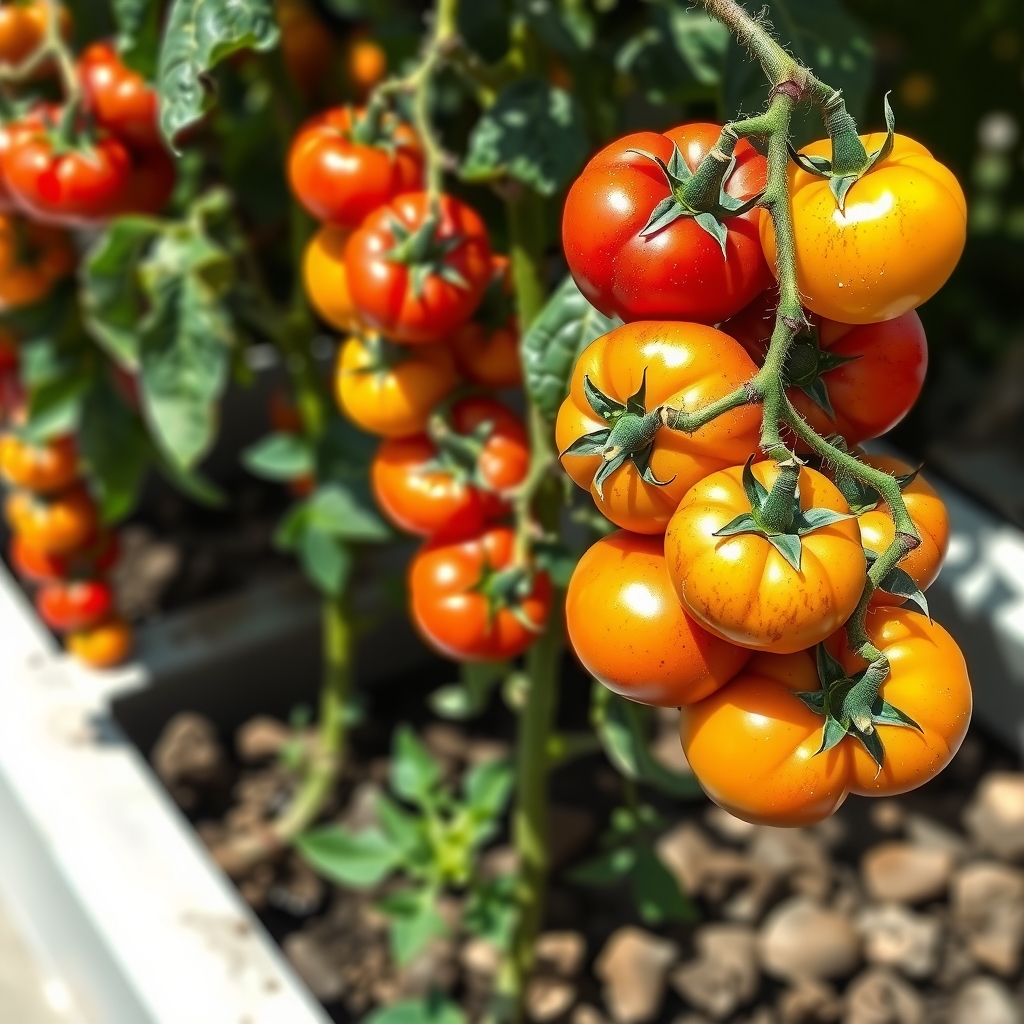
Heirloom tomato plant profile

Solanum lycopersicum

Tomatoes — Heirloom & Cherry

Three plants this year: Tigerella for the windowsill basket, a Costoluto Fiorentino in the big clay pot by the railing, and a Sungold that I will grow until I can no longer lift a watering can. The Sungold goes in first — late March under glass — and comes out last, usually stripped bare by November's first real cold. Tigerella needs no fussing and forgives irregular watering in a way that makes me trust it.

Grown in 30–40 litre containers. Fed weekly with diluted seaweed from week six. Tied loosely — never tightly — to bamboo.
Leafy greens and kale

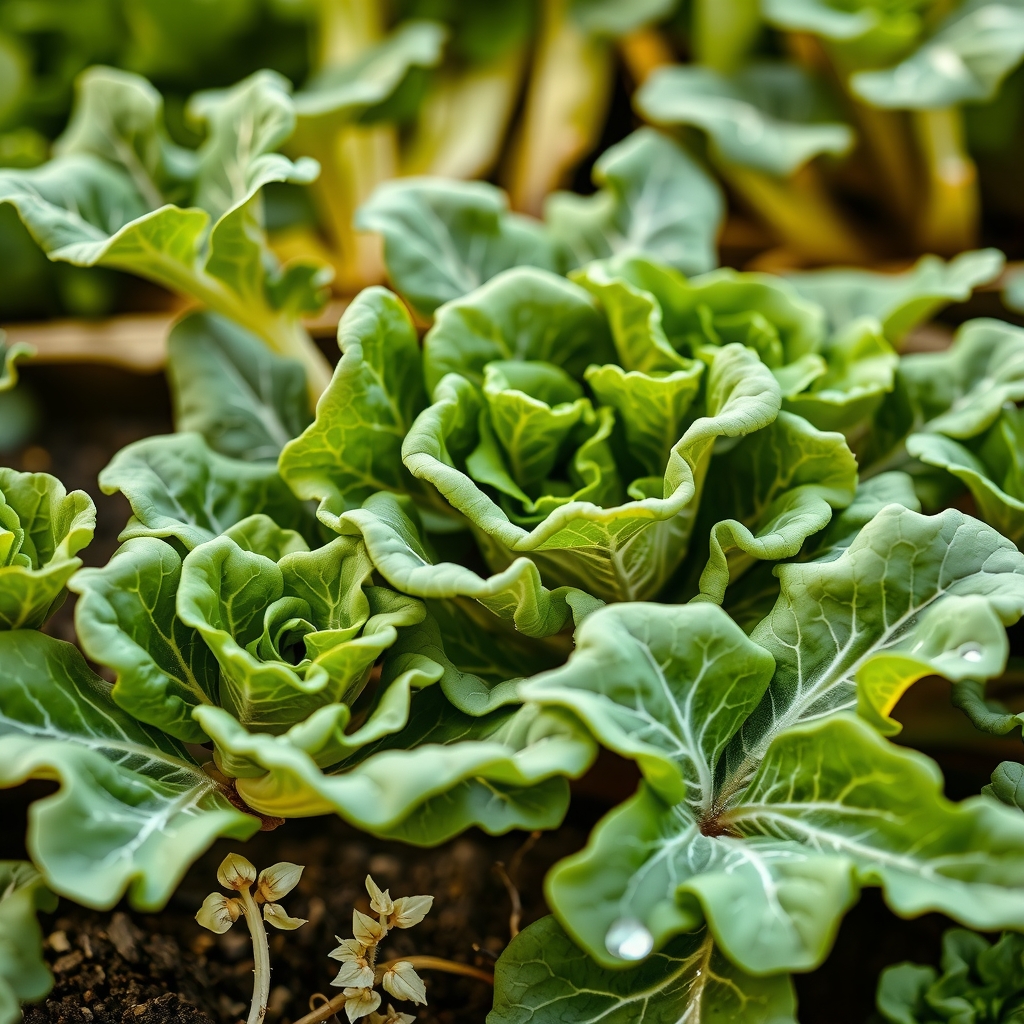
Brassica & Lactuca

Kale, Chard & Cut Lettuce

Cavolo nero in the deep trough that faces north-east — it handles partial shade better than anything else I've tried there. Alongside it, Rainbow Chard, which I sow thickly and thin slowly, eating the thinnings raw. The cut-and-come-again lettuce mix goes into a long window box and gets harvested with scissors every ten days from May through September. I've grown the same Oakleaf variety for four years running and I still don't know its proper name — just 'the red one' from the packet I found at the back of a drawer.

North-east corner trough. Sown directly. Slug barrier copper tape around the rim — the only method that actually works for me.

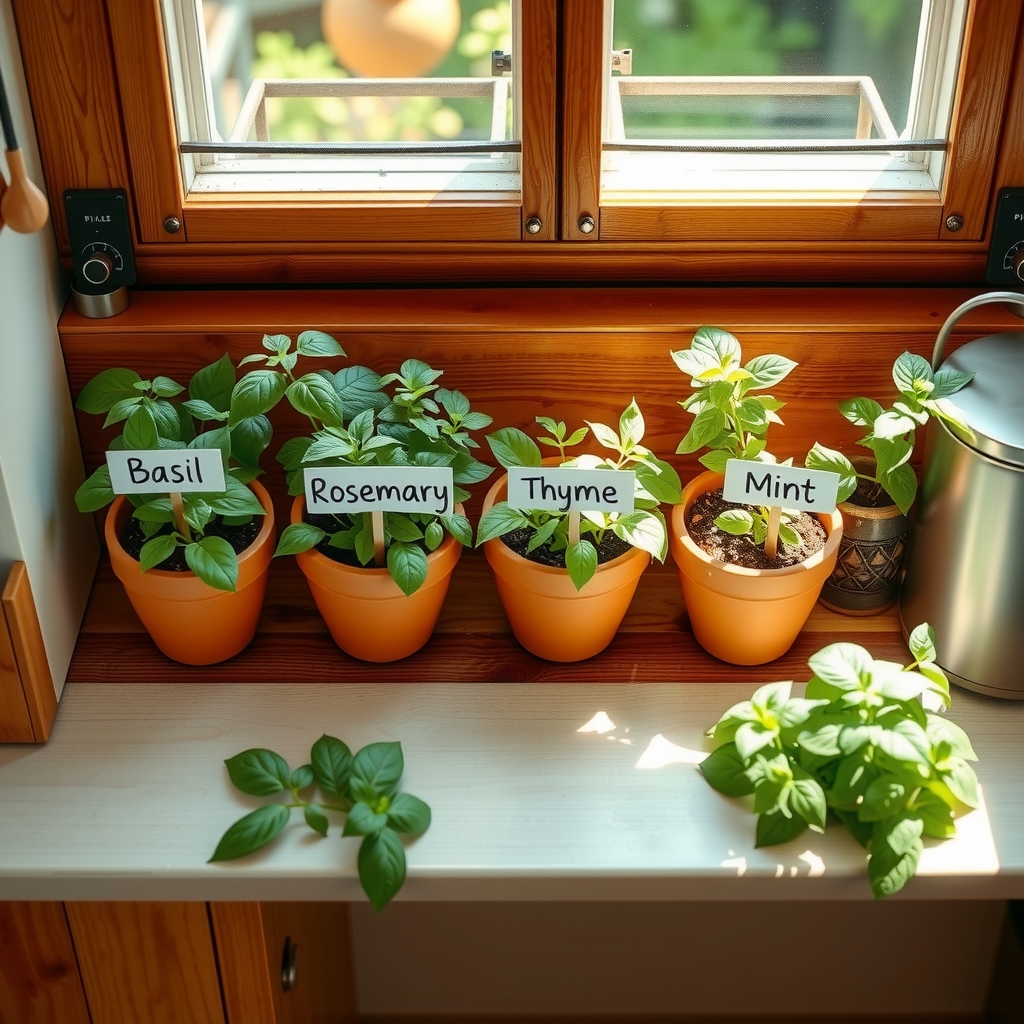
Fresh herb collection

Apiaceae & Lamiaceae

The Herb Corner

Eight terracotta pots along the southern wall. Basil nearest the glass doors because it needs the warmth and because I want it within arm's reach of the kitchen. Flat-leaf parsley, two plants, sown in February and still giving in November if the autumn is mild. Thyme and rosemary in the smallest pots — they like to be a little dry and a little neglected, which I can manage. Chives have their own half-barrel and self-seed into everything around them.

South-facing wall. Basil replaced once mid-season. The rosemary is in its fifth year and has opinions about watering.

Cucurbita pepo

Courgette — Patio Star

One plant, one enormous pot, full sun only. I learned this the hard way: two plants is too many courgettes for any human relationship to survive. The compact Patio Star variety was bred for containers and it's honest about it — flowers in June, first fruit by late July, finished by September. I eat the flowers stuffed and fried in butter, which is the correct use for a courgette flower and I will not be persuaded otherwise.

Minimum 50 litre container. Hand-pollinate with a paintbrush if fruit set looks poor in week three of flowering.

Phaseolus coccineus

Runner Beans — Scarlet Emperor

Grown up a bamboo wigwam in the corner that catches the afternoon sun. Scarlet Emperor has flowers the colour of the windowbox paint on the house across the road — a satisfying coincidence. Pick early and pick often, or you will be eating strings. The pods I miss become dry beans by October, shelled and stored in a jar on the kitchen shelf, ready for a winter stew that I write about every year in the Seasonal Notes.

Sown direct into deep containers in May after last frost. Six seeds around one central cane cluster. Rarely needs watering twice a day, but always asks for it.

Raphanus & Beta

Radish, Beetroot & Spring Onion

The gap-fillers. Radishes are in and out in twenty-eight days, tucked between slower crops wherever there's room. I sow French Breakfast in succession from March through May and again in late August. Beetroot gets a deeper container than people expect — at least 30cm. Chioggia for the candy-cane rings when you slice it; Boltardy because it doesn't go to seed the moment the weather turns. Spring onions everywhere, in every spare inch, harvested young with the roots still muddy.

Succession sow the radishes. Don't crowd the beetroot. Both pieces of advice took me two seasons to actually follow.


Herbs & edible flowers

The ones that earn their terracotta.

Fresh herb collection

The herbs take up about a third of the balcony space and produce about two-thirds of the flavour. I've never worked out whether that's good economics, but I've stopped trying.

  • Genovese Basil Pinched weekly, never allowed to flower. Replaced once in August when the heat collapses the first planting. Goes into everything from June to October — see the Recipes page for the pasta that uses the last of it every year.
  • Flat-leaf Parsley Slower to germinate than the packet suggests. I sow in damp kitchen paper on the windowsill, then pot on. Two plants is enough for a household that cooks daily.
  • French Tarragon Propagated from a cutting, not from seed — you won't get real flavour from seed-grown tarragon. One plant per year, dies back in winter, returns reliably in April.
  • Nasturtium — Jewel Mix Flowers and young leaves both edible. The flowers look correct on a plate next to almost anything. Self-seeds aggressively — I call this generosity.
  • Calendula — Indian Prince Deep orange-red, later into autumn than any other flower on the balcony. Petals dried and used in rice dishes through the winter. The colour alone earns its place.
  • Lemon Thyme Flowers attract every hoverfly within a quarter mile in July. I've stopped regarding this as irrelevant to the tomatoes.

Things I had to learn the slow way

No single tip matters more than paying attention to your specific spot.

  • Soil First Peat-free compost mixed with perlite at roughly 70/30. Container soil compacts over one season — top-dress or replace annually, not every three years. The plants know the difference before you do.
  • Water in the Morning Evening watering leaves foliage damp overnight. I learned this from a tomato plant with blight in August; the lesson cost me the whole harvest and took thirty seconds to read in a book I'd owned for years.
  • Pot Size is Not Optional The smallest pot that will produce a tomato is a 30-litre container. A courgette needs 50. Radishes and herbs are forgiving. Everything else is not. I wasted two seasons on undersized pots.
  • Feed Later than You Think Start feeding tomatoes and courgettes only when the first flowers appear, not at planting. Early feeding pushes leaf at the expense of fruit. A potassium-led feed, not nitrogen, from first flower onward.
  • Read the Wind A south-facing balcony above the third floor dries out faster than the same exposure at ground level. Wind matters as much as sun. I check the soil at the same time every morning and water accordingly, not on a schedule.
  • Keep a Paper Record One page per season. What went in, what date, what happened, what I'd do differently. Phones are fine but I've lost three years of notes to dead batteries and software updates. Paper has never let me down.
Illustrating a practical growing tip

The balcony in mid-July, when everything is at its most demanding and most rewarding simultaneously.


Balcony tomatoes in the wild

Other growers, other cities, same obsession. Tap to play.

Frequently asked questions

How many containers and plant varieties does the Garden Junky balcony currently hold?
The Garden Junky balcony currently runs 23 containers and grows around thirty varieties. The growing list is revised every spring based on what survived the previous autumn, what was eaten most, and what was given away — with no spreadsheet involved, just memory and pencil marks on the back of a seed packet.
What tomato varieties are being grown, and how are they cared for?
Three tomato varieties are grown: Tigerella in a windowsill basket, Costoluto Fiorentino in a large clay pot, and Sungold, which goes in first (late March under glass) and is harvested last, usually until November's first cold. All are grown in 30–40 litre containers, fed weekly with diluted seaweed from week six, and tied loosely to bamboo canes.
What is the recommended way to grow French Tarragon, and why does it matter?
French Tarragon should be propagated from a cutting rather than grown from seed, because seed-grown tarragon does not produce real flavour. One plant per year is sufficient; it dies back in winter and returns reliably in April. This approach is presented as essential — not optional — for getting worthwhile results from the herb.
Why does the Garden Junky only grow one courgette plant, and which variety is used?
Only one courgette plant — the compact Patio Star variety — is grown each year, in a minimum 50-litre container in full sun. The reason given is straightforward: two plants produces more courgettes than any household relationship can comfortably survive. Patio Star was bred for containers, flowers in June, and finishes by September.
What watering mistake caused a total tomato harvest loss, and what is the correct practice?
Watering tomatoes in the evening left foliage damp overnight, which led to blight and the loss of an entire harvest. The correct practice is to water in the morning. The page notes this lesson took thirty seconds to read in a book that had been owned for years, making it a costly and avoidable mistake.
How are radishes and beetroot grown, and what succession-sowing approach is used?
Radishes (French Breakfast variety) are sown in succession from March through May and again in late August, fitting into gaps between slower crops and ready in around 28 days. Beetroot needs a container at least 30cm deep; Chioggia and Boltardy are the chosen varieties. The page notes that both succession sowing and avoiding crowding beetroot took two seasons to actually put into practice.

Upgrade this site

Describe what you want — Pillar will plan, build, and deploy it. Learn More